Money can be stressful. You work hard to earn it, but somehow the month ends, and you wonder where it all went. If that sounds familiar, you are not alone.
Personal financial management is simply about understanding your money and making better decisions with it. You do not need to be a financial expert or earn a huge salary to get started. What matters most is having a clear plan and sticking with it.
What Is Personal Financial Management?
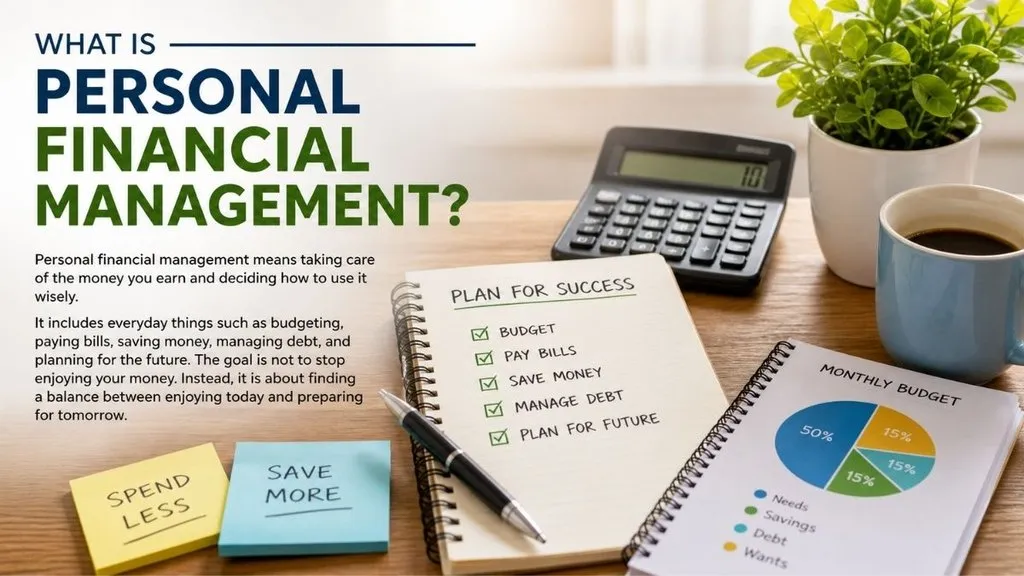
Personal financial management means taking care of the money you earn and deciding how to use it wisely.
It includes everyday things such as budgeting, paying bills, saving money, managing debt, and planning for the future. The goal is not to stop enjoying your money. Instead, it is about finding a balance between enjoying today and preparing for tomorrow. Once you have a budget and emergency fund plan, learning about high-yield savings account rates today can help you make better decisions about where to keep your savings.
Start by Knowing Where Your Money Goes
One of the easiest ways to improve your finances is to track your spending.
For one month, write down everything you spend. Include large expenses such as rent and groceries, but do not ignore smaller purchases like coffee, snacks, subscriptions, or online shopping.
You may be surprised by what you discover.
Once you know where your money is going, it becomes much easier to decide what needs to change.
Create a Budget You Can Actually Follow
A budget should make your life easier, not make you feel trapped.
Start by listing your monthly income and essential expenses. Then decide how much you want to put toward savings, debt payments, and things you enjoy.
Do not create a budget that is so strict you cannot maintain it. A realistic budget gives you room for unexpected expenses and occasional treats.
The best budget is one you can follow month after month.
Make Emergency Savings a Priority
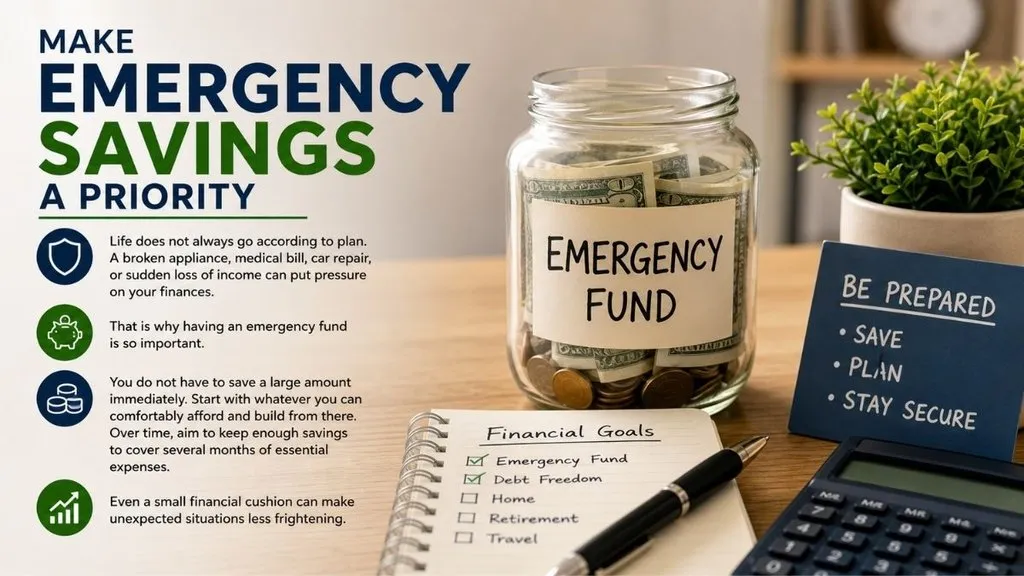
Life does not always go according to plan. A broken appliance, medical bill, car repair, or sudden loss of income can put pressure on your finances.
That is why having an emergency fund is so important.
You do not have to save a large amount immediately. Start with whatever you can comfortably afford and build from there. Over time, aim to keep enough savings to cover several months of essential expenses.
Even a small financial cushion can make unexpected situations less frightening. If you want this as an internal-link anchor text, use the exact title naturally:
Velocity Banking Explained: Strategy Guide — Does It Work?
Example:
Homeowners looking for ways to manage debt can also read our guide, Velocity Banking Explained to understand how the strategy works and its potential drawbacks.
Be Careful With Debt
Debt can be useful in some situations, but high-interest debt can quickly become a burden.
Make a list of what you owe and understand how much interest you are paying. Keep up with your required payments and, when possible, put extra money toward your most expensive debt.
At the same time, avoid taking on new debt simply to pay for things you do not really need.
Reducing debt can give you more freedom to save and work toward your bigger goals.
Make Saving a Habit
Saving money becomes easier when it becomes part of your routine.
Instead of waiting until the end of the month to see what is left, consider saving a specific amount when you receive your income. Even a small amount saved consistently can add up over time.
You can create separate goals for emergencies, education, a home, travel, retirement, or other priorities.
The amount matters, but consistency matters even more. Want to improve your money habits? Explore more practical guidance on budgeting and managing your finances through the CFPB’s financial education resources.
Think About Your Future
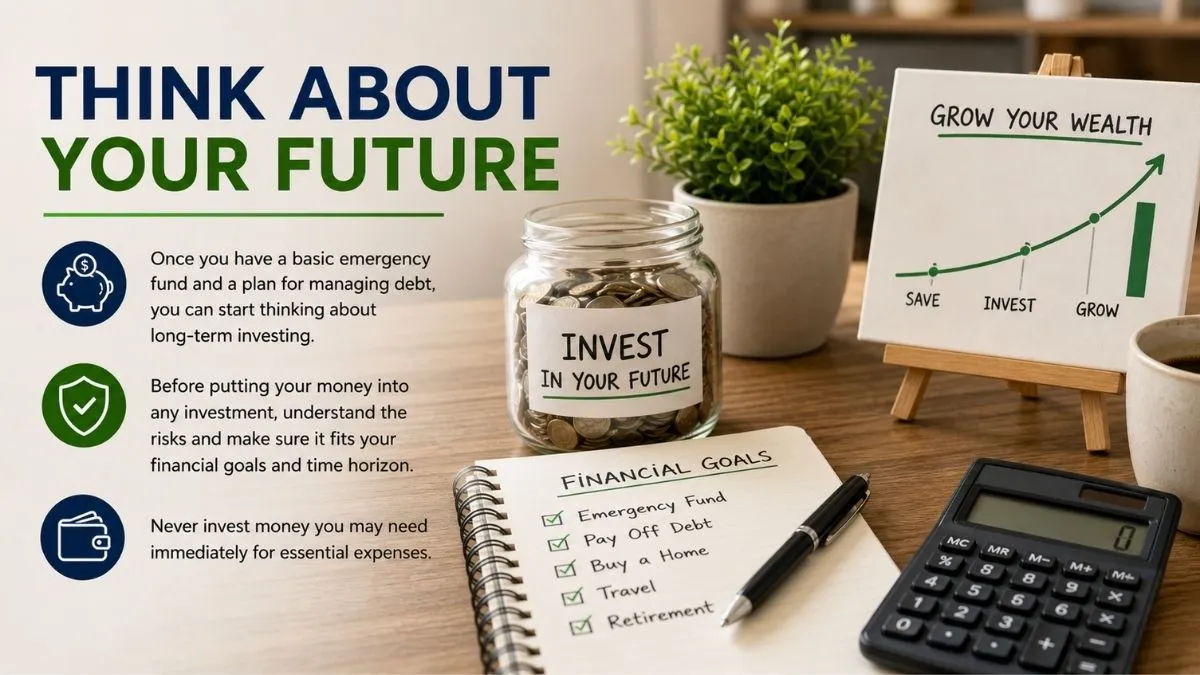
Once you have a basic emergency fund and a plan for managing debt, you can start thinking about long-term investing.
Before putting your money into any investment, understand the risks and make sure it fits your financial goals and time horizon. Never invest money you may need immediately for essential expenses.
Review Your Money Every Month
Your financial situation can change. Your income may increase, expenses may rise, or your priorities may be different from six months ago.
Take a few minutes each month to check your budget, savings, debt, and goals.
Ask yourself: Am I spending my money on what really matters to me?
That simple question can help you make better financial decisions.
Final Thoughts
Good personal financial management does not happen overnight. It is built through small decisions repeated over time.
Track your spending, create a realistic budget, save for emergencies, manage debt, and plan for the future. You do not need to get everything perfect.
Start with one change today. Then build from there.
Your future finances are shaped by the small money decisions you make every day.
Pingback: Collective Investment Schemes in Singapore: A Beginner's Guide - finexaia.com
Pingback: Personal Asset Management: A Complete Guide to Managing and Growing Your Wealth